Planning a Birthday at a Pizza Place in Cheyenne
A birthday party at a pizza place can be either gloriously easy or unexpectedly chaotic, and the difference usually comes down to planning. People tend to think pizza makes everything simple, which is true up to a point. Most guests like it, kids are excited before they even sit down, and cleanup is dramatically easier than hosting at home. Still, anyone who has organized more than a few group meals knows the rough spots show up fast. Timing slips. Seating gets awkward. One child refuses every topping except plain cheese. A grandparent wants quieter seating. Someone assumes cake is included when it is not.
When you are planning a birthday at a pizza place in Cheyenne, it helps to think beyond just reserving a table. The best gatherings feel relaxed because the details were handled early, not because they somehow took care of themselves. A little forethought around guest count, menu, budget, timing, and space can turn a standard meal into a party that feels polished without becoming stiff.
Cheyenne is a practical town, and birthday planning often reflects that. Families want a place that is welcoming, affordable, easy to find, and able to handle a group without making the whole event feel like a production. That is one reason a good pizza place Cheyenne families already know can be such a strong option. It offers familiarity, crowd-pleasing food, and a setting where adults can actually enjoy themselves while kids stay engaged.
Why a pizza party works so well
There is a reason pizza remains one of the safest choices for birthdays across age groups. For children, it is festive without needing explanation. For teenagers, it feels casual enough to avoid embarrassment. For adults, it removes the pressure of a formal sit-down meal while still giving everyone something substantial to eat. That flexibility matters more than people realize.
A pizza-centered party also solves one of the hardest hosting problems, which is serving a mixed crowd. A typical birthday group may include toddlers, school-age children, teens, parents, grandparents, and one or two friends with dietary restrictions. Very few foods can satisfy that range without turning the order into a headache. Pizza gets close. You can split toppings, order different sizes, add salads or sides, and usually find at least one option for selective eaters.
There is also a social advantage. Pizza encourages movement and conversation. People reach, share, swap slices, and linger over an extra piece. A plated meal can lock everyone into their own little island. Pizza invites interaction, which is especially useful if not all the guests know each other well.
From a host’s perspective, the biggest benefit may be emotional rather than logistical. You are not scrubbing the house before guests arrive. You are not wondering where to put twelve coats in winter. You are not washing pans while trying to light birthday candles. You get to host in a way that still lets you be present.
Start with the shape of the party, not the menu
Before you think about pepperoni, cake, or party favors, decide what kind of birthday you are actually planning. That sounds obvious, but it is often skipped. A six-year-old’s afternoon party has different needs than a fifteenth birthday after a game, and both are completely different from a 40th birthday dinner with extended family.
The first question is size. A party for eight guests can be managed almost anywhere with a heads-up call. A group of 18 to 25 is another matter entirely. Once a party gets beyond a couple of tables, you are no longer just “coming in with a few friends.” You are asking the restaurant to help stage an event inside a working service environment. That means they need notice, realistic timing, and a clear sense of what you expect.
The second question is energy level. If the guest of honor wants a lively room and lots of activity, a busy pizza spot can be ideal. If they are shy, very young, or easily overwhelmed, aim for an off-peak time when the room is less crowded and noise levels are manageable. Sunday early afternoon often feels different from Friday evening, even in the same dining room.
The third question is whether the party is built around the meal or whether the meal is just one stop in a larger day. Families sometimes schedule a pizza party after bowling, skating, or a sports event. That can work beautifully, but only if the restaurant knows your group may arrive hungry, loud, and all at once. If pizza is the main event, you have more control over pacing.
Picking the right time in Cheyenne
In a place like Cheyenne, timing can influence the experience as much as the venue itself. Seasonal weather matters more than many hosts expect. A winter birthday means bundling children into coats, allowing extra travel time, and expecting a slower arrival pattern. Summer parties can be easier logistically, though weekends may fill faster if families are already out and about.
The sweet spot for many children’s parties is late morning into early afternoon, or midafternoon before the main dinner rush. For adults, early evening often works best, though a weekday celebration may be calmer and easier to book than a Friday or Saturday night.
There is another timing detail that separates smooth parties from stressful ones, and that is appetite. If you schedule too close to normal meal times, some guests arrive starving and impatient. If you schedule too far away, children get restless and parents start asking whether there will be enough food. Most successful pizza parties hit that middle zone where guests are ready to eat but not already frustrated.
If your group includes several small children, build in a shorter event window. Ninety minutes to two hours is usually enough for pizza, conversation, cake, presents if you are opening them on-site, and a few photos. Beyond that, the room often gets noisier, attention spans shorten, and adults start checking the time.
What to ask the restaurant before you book
A good reservation call saves trouble later. You do not need a long script, but you do need real information. Too many hosts only ask, “Can you take a party of 15?” and then discover on the day of the event that outside cake has a fee, separate checks are not possible, or the party area is next to the front door.
The most useful questions are practical:
- How many guests can the space seat comfortably?
- Is there a quieter area or semi-private section for groups?
- Can you bring a birthday cake or cupcakes, and is there a service fee?
- How does the restaurant prefer large orders to be handled, shared tabs or one check?
- How far in advance should you confirm the final headcount?
Those five questions cover the biggest friction points. They also signal to the staff that you are organized and respectful of their operation, which often leads to better coordination.
When you call, mention the age group. A party for seven-year-olds creates different expectations than a birthday dinner for coworkers. If you plan to decorate, ask what is allowed. Some pizza places are perfectly fine with balloons and a cake table. Others prefer that you keep things simple and avoid anything that needs tape, confetti, or extra setup time. It is better to hear “please keep decor minimal” on the phone than to negotiate it at the hostess stand while guests are arriving.
Estimating food without overordering
Ordering enough food sounds easy until you are feeding a mixed group. In practice, the right amount depends on ages, timing, what else is being served, and whether you want leftovers. The safest approach is to think in patterns rather than fixed numbers.
Young children usually eat less than adults, but they are also the group most likely to get distracted, return for another slice later, and suddenly decide they are hungry again after cake. Teenagers can out-eat everyone. Adults vary widely. If the party is at 2:30 in the afternoon, people may eat lightly. If it starts at 6:00 after sports practice or errands, expect stronger appetites.
A common mistake is overcomplicating the order with too many specialty pizzas. Hosts sometimes want to please everyone individually and end up with a table full of highly specific combinations that leave several guests with nothing they actually want. Start with crowd favorites first. Cheese and pepperoni disappear for a reason. Add one or two vegetable-forward options if your group appreciates them, then round out with a salad or side if needed. You do not need six adventurous topping combinations to make the meal feel generous.
If you are feeding children, ask yourself a plain question: do they care more about novelty or speed? Most care about speed. They want hot pizza in front of them while the room still feels exciting. The quicker food lands, the easier the whole event runs.
For adult birthdays, variety matters a bit more. People linger longer, conversations stretch out, and guests are more likely to sample than to inhale the first slice available. Even then, restraint is useful. Familiar choices usually outperform “signature” pizzas at group events unless you know the crowd well.
Budgeting with fewer surprises
Pizza parties can be cost-effective, but only if the budget is built honestly. The menu price is just the starting point. Drinks, appetizers, desserts, service fees, extra plates, tax, and gratuity can add up quickly. If you are ordering for a larger group, even modest add-ons can move the total more than expected.
The cleanest method is to set your number before you invite people. Decide what you are comfortable spending, then work backward from that figure. This helps you make better choices about guest count, party time, and extras. It is much easier to trim one side dish from the plan than to feel resentful about the bill after the fact.
For children’s birthdays, parents often underestimate beverage costs. Individual soft drinks and juices can push the total up faster than another pizza would. For adult gatherings, alcoholic drinks, where available, change the budget completely. If the party is casual and you want predictable costs, be clear about what is covered. That conversation may feel slightly awkward in advance, but it is far less awkward than sorting out assumptions at the end of the meal.
Cake is another line item worth thinking through. Some restaurants welcome outside cake, others charge a fee, and some prefer you order dessert in-house. Cupcakes can be simpler than a full cake if space is tight. They are easier to distribute, create less mess, and remove the need for cutting. On the other hand, a traditional cake still carries emotional weight for many families, especially when grandparents are attending and photos matter.
Seating affects the mood more than decorations do
Hosts often focus on balloons, themed napkins, and whether the candles match the frosting. Those things can be fun, but seating has a far greater effect on the party’s feel. If the group is squeezed into a traffic lane or broken up across multiple disconnected tables, the celebration will feel fragmented no matter how cute the decorations are.
The best setup allows the guest of honor to be visible without turning them into a stage act. You want enough room for conversation, serving, and photos, but not so much distance that the group feels separated. If there are small children, make sure the adults responsible for them are close by rather than stranded at the far end of the table.
Noise is part of the equation too. Some families love the energy of an active dining room. Others need a corner where grandparents can hear and toddlers are less likely to bolt toward the door. If your chosen pizza place Cheyenne locals frequent gets busy during certain windows, that is worth planning around. A good seat in a loud restaurant can still be manageable. A bad seat in the same room can make cake time feel like crowd control.
Making it easier for the staff, which makes it better for you
One of the clearest markers of a successful restaurant party is that it works with the staff rather than against them. Servers and managers can do a lot to help your event feel smooth, but they need information and a little grace. If your final headcount changes, let them know. If several more guests are “probably coming,” clarify what probably means. If presents will be opened, mention that ahead of time so the pacing of service can accommodate it.
It also helps to arrive on time. A restaurant holding space for your group is balancing other reservations and walk-in traffic. When a party is 25 minutes late and still expects immediate seating, it creates strain that shows up everywhere else, from delayed food to rushed table clearing. Punctuality is not just polite. It protects your own experience.
A small note of appreciation goes a long way too, especially if the staff handles children, candles, split requests, and a room full of family dynamics with patience. Guests remember the pizza and the party photos. Hosts should also remember the people keeping the whole machine running.
The question of entertainment
Many families worry that “just pizza” is not enough, especially for younger children. Often that concern is overstated. If the party is well-timed, the group is the right size, and food arrives promptly, the event does not need a separate entertainment program. The meal, the social energy, the birthday song, and the cake may be plenty.
That said, there are edge cases. A larger children’s party may benefit from one simple activity while waiting for food, such as coloring sheets or a short game that stays at the table. The key is keeping it contained. Restaurants are not ideal places for sprawling crafts, loud toys, or anything with lots of loose pieces. Save the glitter and scavenger hunts for home or a dedicated event space.
Teenagers usually need even less structure than adults think. Give them pizza, enough seating, and a little autonomy, and they will make their own event. Trying too hard to entertain teens often creates the awkwardness the host was hoping to avoid.
Cake, candles, and the handoff moment
Every birthday meal has a pivot point where dining becomes celebration. That is usually the arrival of the cake or dessert, and it is the moment when timing matters most. Bring it in too early and you cut off the meal before everyone has settled. Bring it in too late and younger guests drift, older relatives get tired, and the room loses momentum.
The smoothest version usually happens after the main wave of eating, once people are happy but not finished with the event. Let the staff know when you want candles lit and whether you need plates and utensils ready. If you are planning to sing, gather the group first rather than trying to summon people while the candles are already melting.
Photos are worth considering here as well. A pizza restaurant is not a studio, and lighting can be unpredictable. If pictures matter, choose the seat for the guest of honor with that in mind. You do not need perfect lighting, but avoiding a dark corner or a harsh backlight helps.
Handling dietary preferences without turning the meal into a referendum
Modern birthday groups often include at least one dietary variable, vegetarian, gluten-sensitive, dairy-free, or simply very selective. The goal is to accommodate real needs without making the entire order revolve around one person, unless of course that person is the guest of honor.
This is where a quick check with invited guests helps. You do not need a survey. A simple note asking whether anyone has allergies or major dietary restrictions is usually enough. If there is a serious allergy, speak directly with the restaurant rather than assuming a menu label covers it. Restaurants vary in how they handle cross-contact, and clarity matters.
For less severe preferences, balance is the better strategy. Make sure there is at least one solid option for each broad need, then keep the rest simple. People are generally happiest when they can identify one thing that works for them without feeling like the whole group meal was redesigned around restrictions.
A few practical mistakes worth avoiding
Some problems repeat often enough that they are worth naming. Here are the ones that tend to derail otherwise good pizza parties:
- Inviting too many people for the space and budget
- Booking at a peak hour, then expecting a private-party feel
- Waiting until guests arrive to decide on the food order
- Bringing elaborate decorations or activities that do not fit the setting
- Stretching the event too long, especially with younger children
Each of those mistakes starts with good intentions. More guests sounds more festive. Peak hour seems lively. Ordering later feels flexible. Extra decor appears thoughtful. A longer event sounds generous. In reality, each choice can add friction inside a restaurant environment that works best with clear, simple plans.
What guests remember afterward
People rarely remember the exact topping combinations or whether the napkins matched the candles. They remember whether the party felt easy. They remember if the guest of honor looked happy, whether there was enough food, whether the room felt welcoming, and whether the celebration had a natural rhythm. Parents remember whether their child left excited rather than overwhelmed. Adults remember whether they got to talk and enjoy the meal instead of waiting through confusion.
That pizza place cheyenne is why the best birthday at a pizza place in Cheyenne is usually not the most elaborate one. It is the one that respects the setting and uses it well. Good timing, realistic numbers, a thoughtful food plan, and clear communication with the restaurant will do more for the day than any themed centerpiece ever could.
A pizza place offers something many venues do not, which is a built-in sense of comfort. The room already knows how to host togetherness. Your role is to shape that comfort around the person you are celebrating. If you do that with a little foresight and a steady hand, the party feels effortless for everyone else, which is exactly the point.
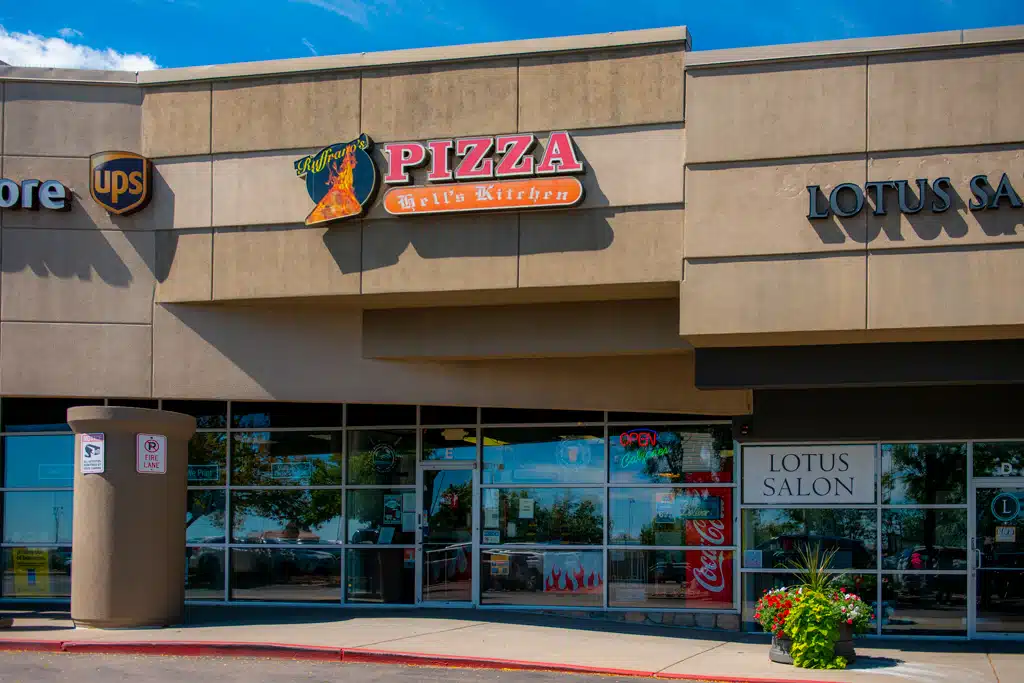
Ruffrano's Hell's Kitchen Pizza Cheyenne
Address: 1670 E Cheyenne Mountain Blvd, Colorado Springs, CO 80906
Phone number: +17195764355
FAQ About Pizza Place Cheyenne
What's the most popular pizza place?
The "most popular" pizza place depends on whether you measure by location count, total sales, or customer favorite status.
What is the 2 pizza rule?
The two-pizza rule is a management principle made popular by Amazon founder Jeff Bezos. It states that a team or meeting should never be larger than what can be fed with two large pizzas—typically translating to a group of 5 to 10 people (or roughly 6 to 12 people depending on appetites).
Is 2 pizzas enough for 10 people?
No, 2 pizzas are usually not enough for 10 people.